
Ad Creative Examples
Creative trusted by 30,000+ ecommerce stores.
See the work before you order

Your skincare routine is missing its final step. 🥂
You cleanse. You serum. You moisturize. Then you... stop? That's where puffiness, tension, and tired-looking skin sneak back in.
The Beauty ORA Yellow Jade Roller is the 5-minute ritual your face has been waiting for. The naturally cool crystal glides over skin to help de-puff, ease facial tension, and reduce the look of fine lines — while helping your serums absorb deeper so they actually pull their weight.
✨ Double-sided design — large end for cheeks & jaw, small end for delicate under-eyes
✨ Naturally cooling crystal (pop it in the fridge for next-level de-puffing)
✨ A beauty ritual used for over 1,000 years, finally on your vanity
Your skin works hard all day. Give it 5 minutes back.
Tap Shop Now before it sells out again. 💛
 Bleame1h
×
Bleame1h
×
 Bowlift1h
×
Bowlift1h
×
 MudWtr1h
×
MudWtr1h
×
 Cleverpup1h
×
Cleverpup1h
×
 Zyre1h
×
Zyre1h
×
 Kalsten1h
×
Kalsten1h
×
 Piurify1h
×
Piurify1h
×

Med spa results. Bathroom mirror prices. ⚡
Facials, sculpting treatments, LED sessions... it adds up to hundreds per month. This little device puts 4 pro-level technologies in the palm of your hand:
💆♀️ EMS microcurrent — gently tones facial muscles for a lifted, sculpted look
🔥 Therapeutic warmth — helps your serums sink in deeper (stop wasting expensive skincare on the surface)
✨ Massage mode — de-puffs and smooths for that snatched, V-shape appearance
💡 LED light therapy — targets the look of dark spots and post-breakout marks
Just 5 minutes a day while you watch Netflix. Needle-free, pain-free, and one-time cost — no appointments, no memberships.
Your jawline called. It wants its definition back. 😏
Tap Shop Now — selling fast in all 3 colors.

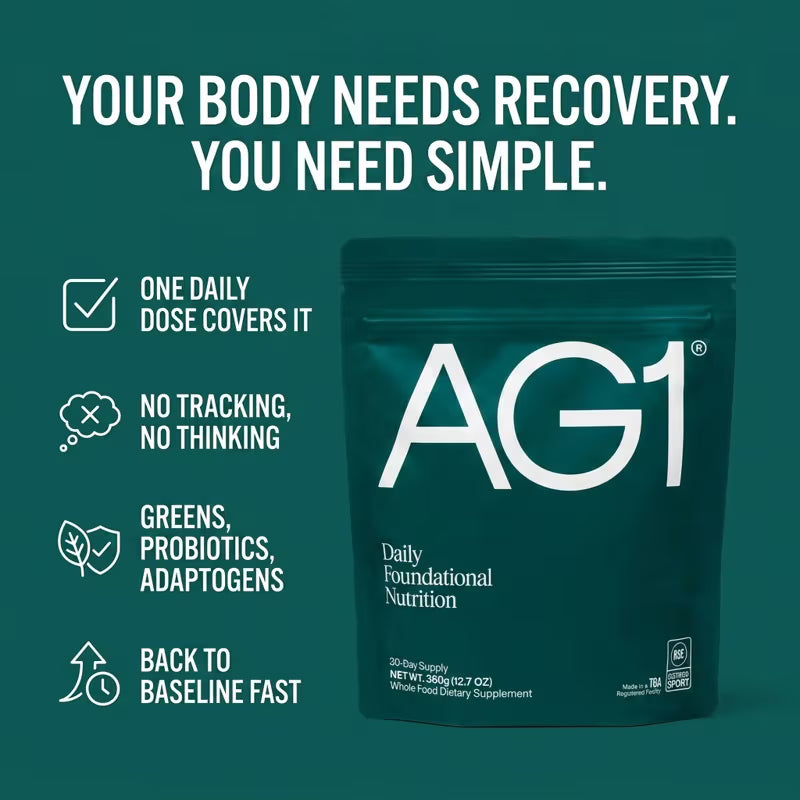
Ready to upgrade your health routine? Most supplements aren’t backed by science. AG1 Next Gen is. This formula is clinically shown to support gut health and fill common nutrient gaps in one powerful scoop.
💚 Clinically shown to fill nutrient gaps
🦠 With upgraded probiotics
⚡ Designed for absorption
🥄 One scoop a day
Act now and get:
✔️ 3 FREE Travel Packs
✔️ FREE Bottle Vitamin D3+K2 Drops
✔️ FREE Canister + Shaker
† Based on clinical studies in healthy adults ages 18–59, evaluating nutrient biomarkers, microbiome shifts, and bioavailability. Study designs and durations varied. For more information, visit our website.
* These statements have not been evaluated by the Food and Drug Administration. This product is not intended to diagnose, treat, cure or prevent any disease.

Your mascara had a good run. 😅
If you're still fighting clumps, flakes, smudges, and flat lashes by lunchtime... it might be time for an upgrade.
Meet MASCOFF™. The lash system designed to give you buildable volume, a lifted cat-eye effect, and all-day wear without the mascara mess.
✨ No clumps
✨ No smudging
✨ Lightweight comfort
✨ Reusable in minutes
Once you switch, there's no going back.


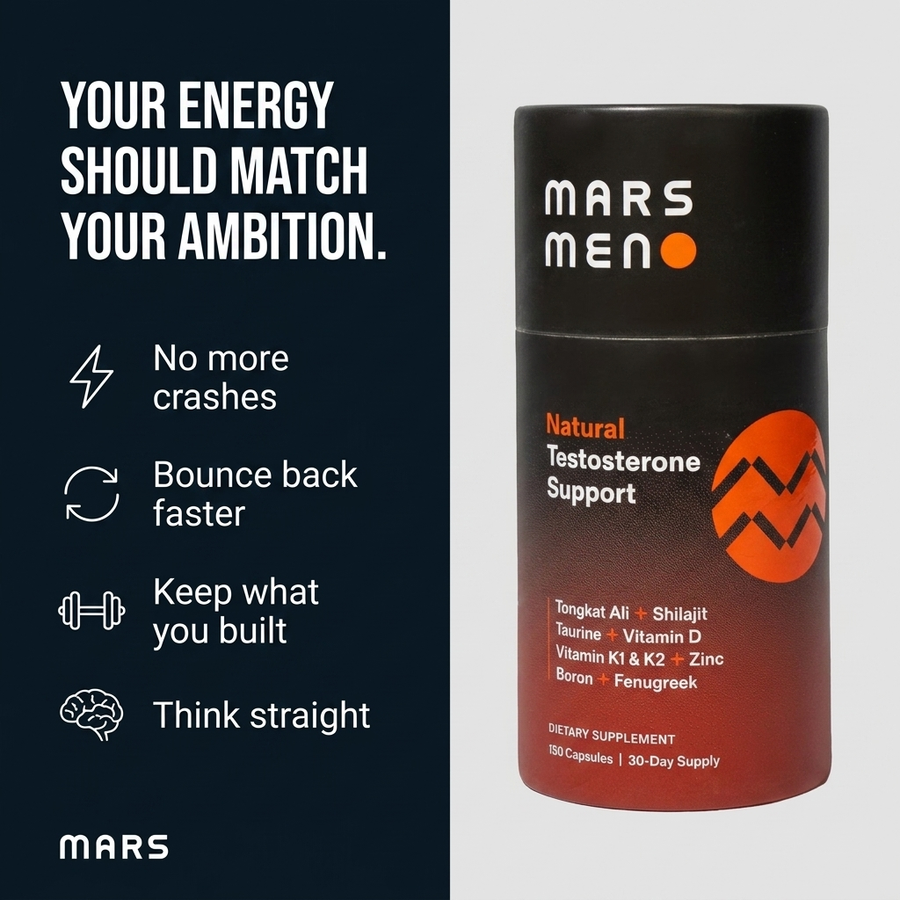
You're not "just getting old." Your hormones crashed. Here's how I restored mine in two months...
Most testosterone support options leave you hanging. Either you’re signed to TRT for life, never really fixing the root problem.
Or you’re taking placebo based supplements that don’t actually work. I was tired of the scams, so I built the system that worked for me: Mars Men.
One simple formula. 8 clinically-dosed ingredients. The only stack that raises testosterone AND crushes cortisol.
It's what thousands of men are using for more energy, stronger workouts, better focus, and the drive they had in their twenties.
👉 Try Mars Men 100% risk-free, 90-day guarantee

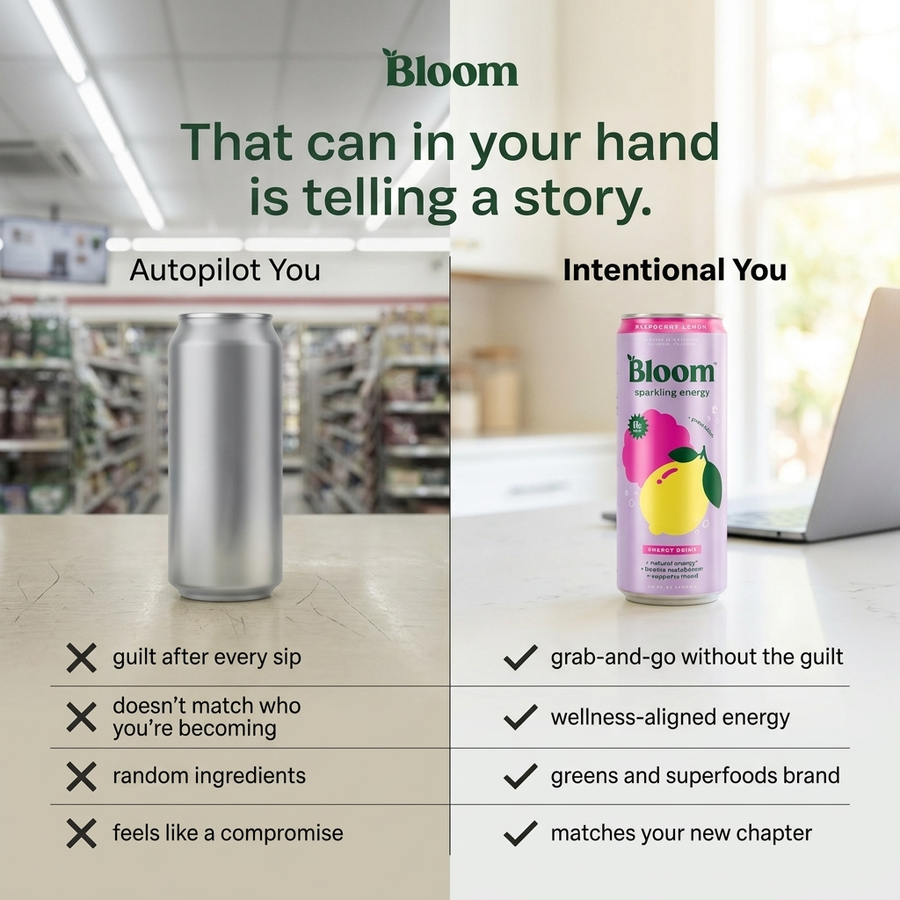
New to Bloom? Score a FREE starter kit with orders of $40+! ✨

It's not a hoodie. It's not a blanket. It's a lifestyle. 🛋️
Meet the Slumblr Hoodie Blanket — an oversized, ultra-plush flannel cocoon you can actually walk around in. Warm like your comforter. Functional like your favorite hoodie. Cozier than both.
🔥 Buttery-soft flannel that traps warmth without the bulk
👖 Giant kangaroo pocket for snacks, phone, and remote (priorities)
🧸 One-size oversized fit — swallows you whole in the best way
🧺 Machine washable, stays soft wash after wash
Perfect for movie nights, WFH days, gaming marathons, or aggressively ignoring your responsibilities.
Fair warning: everyone in your house will try to steal it. Get two. 😉
Tap Shop Now — cozy season waits for no one.

Ever wonder why your dog sleeps curled in a tiny ball? 🐶
It's instinct. Curling up is how dogs have felt safe and secure since they were puppies piled up with their littermates.
The furMe Calming Donut Bed is built around that exact instinct. The high, overstuffed sides cradle their body like a hug, the raised rim supports their head and neck, and the ultra-plush shag fabric feels like snuggling into the pack.
The result? A dog that stops circling the house at bedtime and passes out the second they climb in. 😴
🍩 Overstuffed donut walls for that "held" feeling anxious pups crave
☁️ Luxuriously soft high-pile shag — you'll be tempted to nap in it yourself
📏 3 sizes, from 20 lb pups to 125 lb gentle giants
🏡 Neutral oatmeal color that actually looks good in your living room
If your dog follows you room to room, hates thunderstorms, or paces before settling — they're telling you they want to feel safer. This is how you answer.
Tap Shop Now and give them their new favorite spot. 🐾
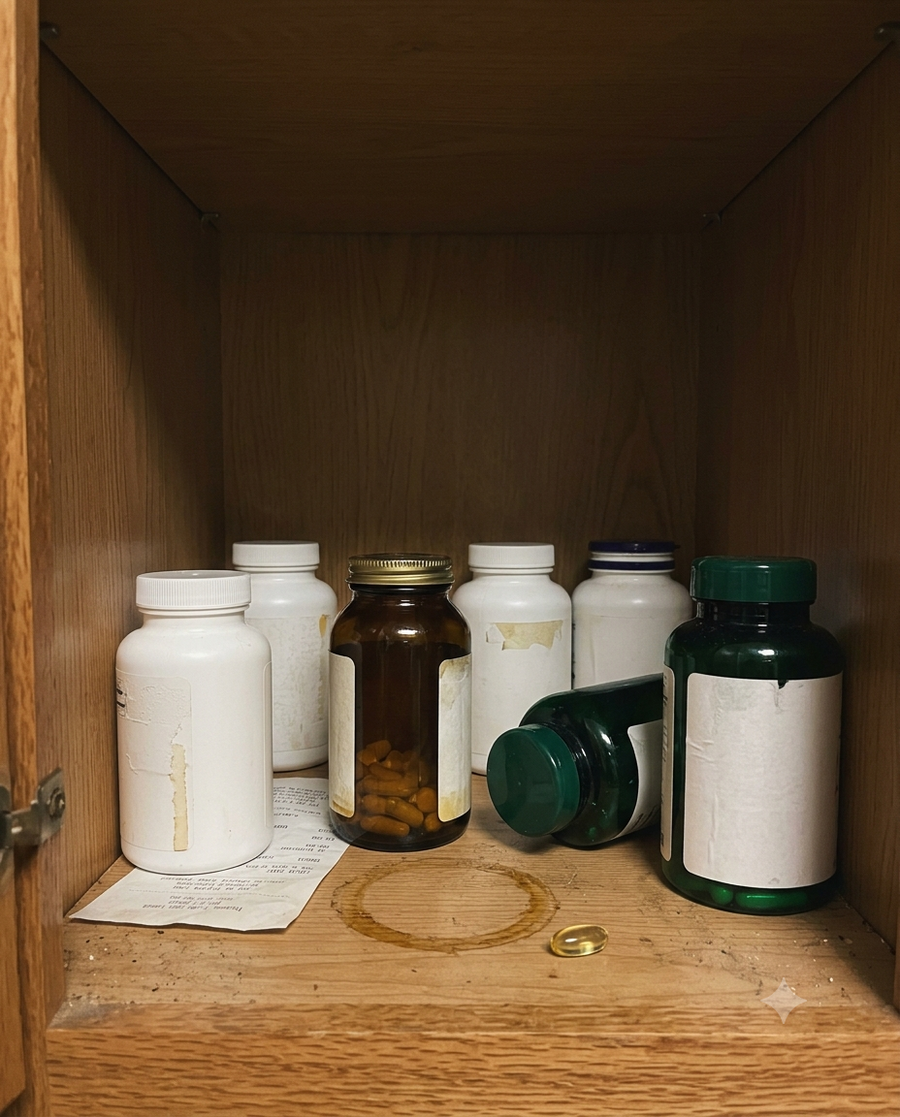
Somewhere in your kitchen there is a shelf that tells the truth about supplements.
The multivitamin with a third of the bottle left, expired last spring. The probiotic that needed refrigerating, which is why it lives in a cabinet. The fish oil from the podcast. The magnesium from the other podcast. Each one arrived with a plan attached. Each plan lasted somewhere between eleven days and six weeks.
That shelf is not evidence that you lack discipline. It is evidence of a design flaw. Every bottle up there is a separate decision: a separate cap to open, a separate time of day to remember, a separate thing to run out of and reorder. Five bottles is five daily decisions, and daily decisions are exactly what busy lives shed first. The supplement industry keeps selling people more knowledge about what to take. The thing that actually fails is never the knowledge. It is the routine.
Which reframes the whole question. Not “what should I be taking?” The shelf proves you already know. The question is: what is the version of this that still happens on a Tuesday in November?
Start with the eating data, because it is public.
The CDC tracks how Americans actually eat, and the headline number has barely moved in a decade: only about one in ten adults meets the recommended daily vegetable intake. Nine in ten fall short, not of some optimizer's standard, of the baseline. And national nutrition surveys keep finding the same downstream story: large shares of adults under-consuming nutrients as basic as vitamin C, magnesium, and folate. Not exotic compounds. The basics.
Now the sentence a greens-powder ad is not supposed to contain: food fixes this better than powder does. A genuinely varied diet (vegetables at most meals, fruit, fermented foods, enough fiber) beats anything in a pouch, and if that describes your actual weeks, not your intended ones, you may not need this product at all. Nothing that follows overrides that.
What follows is for the other nine in ten.
AG1 Next Gen is one scoop of powder in cold water, once a day, and its honest job description is consolidation: a multivitamin, prebiotics and probiotics, and a spread of greens, superfoods, and antioxidants (75-plus ingredients) collapsed into a single sixty-second habit. One decision instead of five. One thing to run out of. The design bet is that a merely good routine you keep every day beats a perfect regimen that lives on the shelf of abandoned bottles.
Two things it is not, stated plainly. It is not a salad: one scoop carries about 2 grams of fiber, and no powder on earth substitutes for actual vegetables. The company's own line is that it complements a diet, and that framing is correct. And it is not your vitamin D source: meaningful D does not survive well in a powder like this, which is why D3+K2 comes as separate drops rather than being quietly overpromised inside the scoop.
Here is where this category gets genuinely uncomfortable, and where the checking comes in.
Greens are plants, and plants concentrate whatever is in their soil, including heavy metals. Independent testing of the greens-powder category has flagged products for exactly that, more than once, and most powders on the shelf carry no independent certification at all. You cannot see contamination, you cannot taste it, and a beautiful label says nothing about it.
The answer is not trust. It is certification you can look up. AG1 is NSF Certified for Sport, the standard strict enough that professional and Olympic athletes rely on it, because their careers end if a supplement contains something undisclosed. Certification means every batch is independently tested for contaminants, for banned substances, and for label accuracy: what the label claims is what the pouch contains. And the register is public: NSF maintains a searchable database of certified products. Look AG1 up before you buy. Look up whatever else you currently take while you are there. That search will teach you more about this category in two minutes than any ad can.
One more piece of label honesty, since checking is the standard being set: like most complex formulas, AG1's label discloses every ingredient but folds some individual amounts into blends. What the certification independently verifies is that the label is accurate to the pouch. If fully itemized dosing is your non-negotiable, that is a fair standard to hold; hold it knowingly.
On evidence: the Next Gen formula has been put through actual placebo-controlled trials, the largest a 12-week randomized, triple-blind study of 105 adults, showing improved nutrient biomarkers (70 percent of subjects increased red-blood-cell folate, 73 percent increased vitamin C) and measurable enrichment of healthy gut bacteria. Small studies by pharmaceutical standards. Real ones by supplement standards, where the norm is zero. Read them at the science page before deciding; they are short.
The practical facts: $79 a month as a subscription (about $2.60 a day) with free shipping, pause or cancel anytime, and a 90-day money-back guarantee. It is free of gluten, dairy, and artificial sweeteners, and it is HSA/FSA eligible for many plans. The company's own expectation-setting is worth repeating instead of inflating: research suggests up to 90 days to notice most benefits. Anyone promising you a transformed Tuesday by Friday is selling a feeling the data does not offer.
If you are pregnant, nursing, on medication, or managing a condition, this is a conversation with your doctor before it is a purchase; the ingredient list is long, and long lists deserve a professional read.
So here is the honest structure of trying it, and notice what the scoreboard is.
It is not a feeling. Feelings are noisy, and a product this broad works quietly or not at all. The scoreboard is the streak. Put the pouch next to the coffee maker, tie the scoop to something you already never skip, and count mornings. The shelf of abandoned bottles never made it past week six; that is the record to beat. At ninety days you will know two things the shelf could never tell you: whether this is the rare routine that survives your actual life, and whether you notice the difference the studies measured. The guarantee runs the same ninety days, so a failed experiment costs the effort and nothing else.
Ninety mornings. The streak is the scoreboard.
Start here:
https://drinkag1.com/products/greens-powder-pouch
P.S. Buy vegetables this week no matter what you decide here. The one-in-ten statistic is not waiting on a better powder; it is waiting on more plants on more plates, and no company selling a green drink honestly disputes that.
These statements have not been evaluated by the Food and Drug Administration. This product is not intended to diagnose, treat, cure, or prevent any disease. Consult your physician before beginning any supplement, especially if you are pregnant, nursing, taking medication, or have a medical condition. Individual results vary. NSF Certified for Sport® is a registered mark of NSF.

For about two hundred thousand years, human evenings ended the same way. The sun went down, and the blue went with it.
Fire makes almost no blue light. Neither do candles. For nearly all of human history, the last hours before sleep were lit in orange and red, not as a preference, but because after dark, that was the only light on earth.
Then, inside a single human lifetime, the evening changed color. Screens, LEDs, overhead panels: all of them rich in exactly the wavelengths that used to vanish at sunset. You belong to the first few generations ever to spend every evening under afternoon-colored light. Your body has had about seventy years to adjust. It runs on hardware that took two hundred thousand to build.
Here is why that matters, mechanically.
Inside your retina there is a set of cells that are not for seeing. They connect straight to the body's master clock, and their one job is telling it what time it is. They are most sensitive to blue, close to the same wavelengths screens and LED lighting put out. Blue light at 9 PM does not read to those cells as “evening with the lamp on.” It reads as afternoon. And a body that believes it is afternoon holds off on melatonin, the hormone that opens the door to sleep.
This is not a theory in a marketing deck. Harvard researchers ran the clean version of the experiment, published in PNAS: people who read on a light-emitting screen before bed, compared to the same people reading a printed book, produced measurably less melatonin, took longer to fall asleep, and were groggier the next morning, same hours in bed. And an international group of circadian scientists has since published consensus recommendations that say, in plain terms: bright light during the day, dim and warm light in the evening, darkness at night.
Notice what that consensus does not say. It does not say blue light is poison. Daylight is the most blue-rich light there is, and morning daylight is one of the best things you can give your body. The problem was never blue. The problem is blue at the wrong hour.
Now, the paragraph a glasses company is not supposed to include.
You can fix most of this for free. Warm bulbs in the evening. Screens out of the last hour. Night mode on. Lights dimmed after sunset, bright daylight in the morning. If you will actually do all of that, every evening, you may not need anything from us, and your sleep will thank you either way.
Where these glasses honestly fit is the gap between that advice and your actual life. The game that runs late. The show you watch with your wife. The laptop deadline that does not care what the circadian consensus recommends. For the evenings you are not going to give up, red and amber lenses that cut the blue before it reaches your eyes are the intervention with real human trials behind them, small ones, a couple dozen people at a time, but pointing the same direction: melatonin preserved, sleep onset improved. That is the honest size of the evidence, and we would rather state it than inflate it.
And one claim you will not find here: that blue-blockers cure screen-strained eyes. The eye-strain research does not support it, and reviews of the evidence say so. We sell these for your clock, not your corneas.
Because this category has an honesty problem, and it is one you can check with your own hands.
A lens that blocks blue light cannot be clear. That is not a slogan. It is physics. Blocked light is subtracted light, and when you subtract blue from white, what passes through is amber. So pick up any pair of clear glasses marketed as “blue blocking” and hold them to the light. If you see no color, the blue is going straight through. Most of this category is selling window glass with a story attached.
TwentyFourth was built on the opposite bet: tint the lens honestly, test every batch, and publish the results.
The Biosync set is two pairs. The red pair is the sleep tool, worn for the last two to three hours before bed, tested to block the full 400–500 nm blue band. The orange pair is the daytime option, for screen-heavy rooms and artificial-light environments where you want protection without seeing the world in red. Metal frames, built to look like eyewear rather than lab equipment, designed and assembled in Scottsdale, Arizona. The lens test results are published on the site. Look at them before you buy; a company that tests its batches should expect you to.
A few plain answers. Do you wear them outdoors in daytime? No. The sun is the good light; these are for artificial light. Can you drive in the red pair? No. Do you need both pairs? If sleep is the whole mission, the red pair alone does that job; the bundle exists because most people end up wanting both, and it takes $79 off. Is this medicine? No. And if your sleep problems are persistent, that is a conversation for your doctor, not a checkout page.
Here is what we will not do: promise you a transformation on night one. Bodies differ, evenings differ, and anyone guaranteeing you a specific sleep score is selling past the evidence. So instead of a promise, here is a protocol.
For one week, change nothing. Each night, note two things on your nightstand: when the lights went out, and roughly when you actually fell asleep. If you wear a watch or ring that tracks sleep, even easier, let it run. Then order the set, and for the next week, put the red pair on two hours before bed and change nothing else. Same bedtime, same screens, same life. At the end, put the two weeks side by side.
Two columns on a notepad. That is the whole argument.
And the experiment is protected on both ends: thirty days to a full refund if the second column does not earn its keep, and a 365-day replacement guarantee on the frames after that. U.S. shipping is free.
Start here:
https://twenty-fourth.com/products/twentyfourth-glasses-2
P.S. Run one firelight-colored evening this week even if you never buy a thing from us: lamps low, screens warm, last hour quiet. Your great-grandfather did it every night of his life without thinking about it. Notice what it does to the hour after.
A forty-year-old American man in 1987 was carrying more testosterone, on average, than a forty-year-old American man is carrying today.
Same age. Same country. Different era. Lower number.
That is not nostalgia talking. A study in the Journal of Clinical Endocrinology & Metabolism tracked men across two decades and found average levels falling about one percent per calendar year, independent of age. Meaning the drop is not just men getting older. The baseline itself has been sinking, generation over generation, and the follow-up data since has pointed the same direction.
So if your father's generation seems like it was cut from different material, some of that is memory doing what memory does. Some of it is measurable.
That is the between-generations story. The within-a-lifetime story is quieter.
After about age thirty, a man's testosterone drifts down roughly one percent a year. No cliff. No bad morning you can point to. One percent is invisible in any given year, and twenty years of it is a fifth of the total. The drift is built to be missed.
Now put those two facts next to the strangest phrase on a lab report: “normal range.”
For total testosterone, the normal range at most labs runs from somewhere around 300 to 1,000 ng/dL. That is more than a threefold spread. Two men, same age, same clinic, both stamped normal, and one is carrying three times the testosterone of the other.
Normal is not a number. Normal is a spread. The only question that matters is where in it you actually are.
Here is the honest answer: you don't know. Neither do we. Neither does any company selling you anything, no matter how confident the ad sounds. There is exactly one way to find out, and it is not a quiz on a website. It is a morning blood draw, morning, because testosterone peaks early and a good test is done before about 10 AM. It is inexpensive and available nearly everywhere.
A man who knows his number makes better decisions than a man guessing at it. In the gym, at the doctor's office, and on pages like this one.
It is also worth knowing what actually moves that number, because your body does not make testosterone out of nothing.
Production needs raw materials. Zinc and vitamin D are both directly involved, and running low on either is associated with running low, period. Production needs sleep: a large share of daily testosterone release happens overnight, and in a small University of Chicago study, one week of five-hour nights dropped daytime testosterone in healthy young men by 10 to 15 percent. One week. And production has enemies: chronic stress hormones suppress it, and body fat does something worse than sit there: fat tissue actively converts testosterone into estrogen.
Which brings us to the part of this page that costs us money to write.
Sleep, training, body composition, and food move this number more than anything you can swallow. No capsule out-supplements a five-hour sleep schedule. If you fix nothing else, fix that.
Where a supplement honestly fits is narrower, and real. It covers the raw-material gaps, and it adds the short list of botanicals with actual human studies behind them: tongkat ali, fenugreek, shilajit, boron. Supportive research, modest effects, a smaller evidence base than this category likes to admit. That is the honest ceiling.
Because the problem with this category was never the ingredients. It is the label.
“Proprietary blend” is a legal way to print an impressive ingredient at a fraction of the dose any study ever used. The blend total looks huge. The individual doses are the secret, and the secret is usually the point.
Mars Men was built against that specific move.
It is a natural testosterone support formula, eight ingredients, every dose printed on the label, no blends. Tongkat ali at 1,000 mg. Fenugreek at 675 mg. Taurine at 675 mg. Shilajit at 400 mg. Zinc at 30 mg. Boron at 4 mg. Vitamin D at 4,000 IU. Vitamins K1 and K2 at 100 mcg.
The doses are printed so you, or your doctor, can hold each one up against the published research yourself. You are not being asked to trust a blend. You are being handed a list to check.
Straight answers to the obvious questions: there is no testosterone in it; it is hormone-free, built to support your own production, not replace it. It is not a prescription. You do not need to cycle it. It is five capsules, once a day, in the morning with food. It is made in the USA in a cGMP facility and third-party tested. And it was not formulated in a marketing meeting; the medical advisory board includes an Oxford-trained PhD physiologist and a board-certified physician, names and credentials published on the site, next to several thousand customer reviews. Check both. Checking is the theme here.
Two things a supplement ad should say out loud, so we will.
If your blood test comes back clinically low and you feel it, that is a conversation with a doctor, and the right answer may be actual medicine. TRT is medicine. A supplement is not a substitute for medicine, and you should be suspicious of any brand that blurs that line.
And if you take prescription medication, ask your doctor before adding this or anything else. Mars Men is for men over 18.
One more thing we will not do: promise you a number. This works in weeks, not days, and results vary by the man: his baseline, his sleep, his consistency. Nobody can tell you what your bloodwork will say in ninety days. Which is exactly why the offer is not a promise.
It is an experiment.
Order the starter kit today. Book the blood draw for the day the bottle arrives; that is your baseline, on record. Take Mars Men daily for ninety days, and guard your sleep like it is part of the protocol, because it is. Then test again (same lab, same time of morning) and set the two numbers side by side.
That is the entire pitch. Not our reviews. Not before-and-after photos. Your bloodwork, twice.
And the experiment is protected: your first order carries a 90-day money-back guarantee. If you are not satisfied at the end (with the number, with how you feel, with any of it) the product is refunded in full. You keep the one thing nobody can refund: you finally know your number.
Start here:
https://mengotomars.com/products/30-day-supply-starter-kit
P.S. Book the draw this week even if you never buy a thing from us. The number is already what it is. The only question is whether you know it.


The most common mistake people make with melatonin is buying it as a hammer.
A hammer knocks you out. That is what the category's packaging whispers, what the word “sleep aid” implies, and what most first-time buyers expect: swallow it, lights out, like a gentle cousin of a sleeping pill.
Melatonin is not a hammer. It is a clock.
Your body already makes it, every single night. As evening light fades, the brain's pineal gland releases melatonin into the blood, not to sedate you, but to announce the time: night has arrived, begin the shutdown sequence. It is a scheduling message. A memo from headquarters. Which explains both why it works and why people get disappointed by it: a memo cannot knock anyone out, but a well-timed memo can get an entire building to close on schedule.
Once you hold that frame (clock, not hammer) the research suddenly makes sense.
Melatonin's evidence is strongest exactly where a clock signal should shine: when your timing is off. Jet lag. Shift work. The Sunday-night problem after a weekend of 2 AM. The schedule that has drifted later and later and needs walking back. For an ordinary restless night with no timing problem underneath, the measured effect is real but modest: studies find it shortens the time to fall asleep by minutes, not hours. Anyone promising you a switch is selling past what the molecule does. OLLY's own fine print says the quiet part in plain type: this product is not intended to treat insomnia or other sleep disorders. Believe them. That sentence is the most honest thing printed in this entire category.
And before any gummy: the free machinery matters more. A consistent wake time, same hour, weekends included, is the strongest sleep signal a human can send. A dim last hour and a cool, dark room are the next two. If your sleep trouble is chronic (most nights, for months) the treatment with the best evidence is not in a bottle at all; it is behavioral therapy for insomnia, and that path runs through a doctor, not a checkout page.
What a well-made melatonin gummy is actually for is the remaining case: the occasional night with a reason. The red-eye. The rotation change. The schedule you are deliberately dragging earlier. A modest dose, taken at the right time, as a timing signal, with an exit plan.
OLLY Sleep is the two-gummy version of that philosophy. Each serving pairs melatonin with 100 milligrams of L-theanine (an amino acid from tea leaves with human studies behind its calm-without-sedation reputation) plus chamomile, passionflower, and lemon balm, which OLLY describes exactly as they should be described: traditionally used. Not clinically transformative. Traditionally used. You take two gummies thirty minutes before bed, they taste like blackberry with a hint of mint, and a 25-serving bottle runs $13.99, about 56 cents a night, for the nights that qualify.
The dose deserves a sentence, because the category's arms race runs the other direction. Melatonin research generally uses small amounts (often between half a milligram and five) and more has never meant better; it mostly means a groggier morning. A moderate dose is not the budget option. It is the correct reading of the evidence: enough to send the memo, not enough to shout it.
Now the part of this category you genuinely cannot see from the outside.
In 2023, researchers writing in JAMA analyzed 25 brands of melatonin gummies and compared the label to the contents. Actual melatonin ranged from 74 percent to 347 percent of what the label claimed. Only three products were accurately labeled. One contained CBD. Read that range again: some gummies on the shelf carry three and a half times their stated dose, of a hormone, in a candy format, and nothing about the packaging tells you which ones. The study is public and searchable.
That is the problem NSF certification exists to solve, and OLLY Sleep carries it: independent testing against standards for quality, safety, and (the part that JAMA study makes precious) label claims. What the bottle says is what the gummy contains, verified by someone other than the company. In a category where the label is provably fiction most of the time, third-party verification is not a badge. It is the product.
The boundaries, all of them. Melatonin causes drowsiness. Do not take it before driving, operating machinery, or anything that needs you alert; that warning is OLLY's, and it is not decorative. These are gelatin gummies, so they are not vegetarian. If you are pregnant, nursing, on medication, or managing a condition, ask your doctor first. And one that matters more for gummies than any other format: this looks like candy, and poison-control calls for pediatric melatonin ingestion have risen sharply for a decade. Lid on tight, shelf out of reach, treated like medicine, because functionally, that is what it is.
So here is the honest way to own this bottle.
Not nightly. Not as a habit. It lives in the nightstand for the nights that have a reason: the flight east, the shift change, the schedule you are walking back an hour, the wired-too-late Sunday. Same timing whenever you use it: thirty minutes out, lights already dimming, because a darkness signal works with darkness, not against a lit ceiling. And keep the exit honest: if you find yourself reaching for it most nights for weeks, the bottle has told you something the bottle cannot fix, and that is the doctor conversation. Returns run 30 days if it turns out your nights never qualify.
A clock for the nights the clock is the problem. That is the whole product.
Start here:
https://www.olly.com/products/sleep
P.S. Anchor the wake time first, same hour every morning, weekends included, no purchase required. It is the single strongest sleep intervention known, it costs nothing, and it makes every occasional tool, including this one, work better on the nights you need it.
Stop paying full price to test creatives.
VIP unlocks special member pricing & 24 hour delivery. One order pays the membership back.